

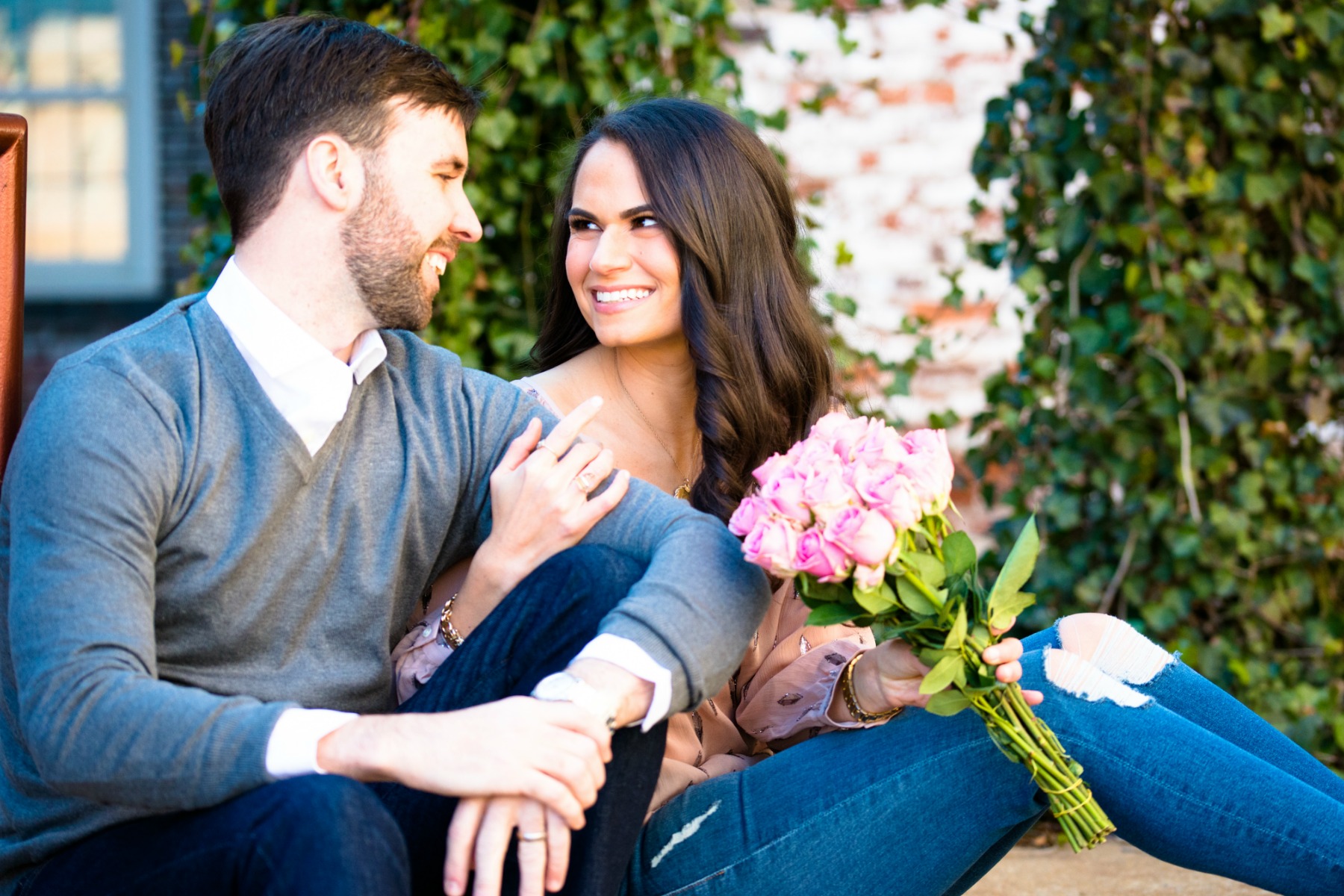
When someone falls in love, they may want to spend more time with a partner, share interests or make plans together. None of those actions proves a soulmate bond, and there is no single way all men—or anyone else—must behave. Look at mutual interest and consistent care rather than a checklist of destined-love signs.
Look for conduct, not a promised transformation
Time that works for both people
A person may make room to see you or suggest a plan. Notice whether the arrangement suits you both and whether they follow through. Love does not require abandoning friends, exercise, rest or other responsibilities.
Interest without forced sameness
Trying a partner’s hobby can be enjoyable, but you can decline it or keep your own interests. Copying someone’s mannerisms or liking the same activities does not establish compatibility.
Care that is actually welcome
A remembered preference or a practical favor can show attention. Ask what help is useful rather than assuming a gift, late-night call or surprise visit will be wanted. Grand gestures do not excuse ignored boundaries.
Plans discussed, not imposed
People may talk about the future when a relationship develops. That is an invitation to discuss values and constraints—not a requirement to change your goals to keep someone.
Honesty and room for disagreement
Notice whether you can ask questions, decline something and raise a concern without intimidation. The feeling that a connection is special does not remove the need for these ordinary conditions.
Mutual choice over time
A meaningful relationship needs more than one person’s conviction. Ask about intentions and observe consistency. Neither enthusiasm nor quietness alone tells you what someone secretly feels.
These are questions for reflection, not a score that proves love. Our relationship-values guide offers more examples of qualities you can describe and discuss.
What brain research can—and cannot—tell you
A 2005 fMRI study by Arthur Aron and colleagues examined 17 people who reported intense romantic love. Viewing a photograph of their beloved was associated with activity in reward and motivation regions. That finding does not provide a test for soulmates, measure a stranger’s feelings from their behavior or guarantee a relationship outcome.
You cannot infer a person’s dopamine, oxytocin or other hormone levels because they buy a favorite snack, feel butterflies or seem secure. Nor should “love changes the brain” be used to claim someone becomes automatically safer, kinder, better at solving problems or unable to recognize danger.
Ask a question instead of decoding a sign
If you feel safe and want to clarify an ordinary dating situation, try a direct, low-pressure question: “I enjoy spending time together. What kind of relationship are you interested in?” Listen to the answer without treating it as a hidden test.
A person can be interested and still want a different pace or future. You can also decide that an arrangement does not fit your needs. For people who describe themselves as highly sensitive, our empath-relationship guide emphasizes asking rather than mind-reading.
The love is respect boundary guide explains that limits can change and should protect autonomy rather than control another person. A request for privacy or time with friends is not proof that love is missing.
Your worth does not depend on finding “the one”
A relationship cannot promise to erase loneliness, resolve every problem or bring luck and miracles. Being single, unsure or disappointed does not mean something is wrong with you. You can seek connection and support without making romance the only route to a meaningful life.
If “soulmate” is a term you enjoy, keep it as personal meaning rather than proof of permanence. Our soulmate-signs guide separates interpretations from evidence, and the twin-flame guide explains why promised reunion never overrides another person’s choice.
This article profoundly captures the transformative power of love on our psyche. It’s fascinating how our neural chemistry shifts, leading us to see the world through a different lens. Love indeed reshapes our priorities and perceptions.
The exploration of neurotransmitters like dopamine and norepinephrine is quite informative. It would be interesting to delve deeper into how these biological changes can manifest in varying relationship dynamics.
‘Dopamine rush’ sounds like something from a biology textbook! While I appreciate the scientific angle, I believe there’s more to love than just brain chemicals.
This article reads like a rom-com script! If falling in love truly means adopting your partner’s quirks, I should brace myself for a sudden obsession with knitting and obscure indie films!
“Love changes everything”—isn’t that what they say? But I guess love also comes with a side of neurosis and unpredictable behavior!
“True love changes everything”—this assertion begs scrutiny. Are we really willing to accept that love is the ultimate catalyst for personal growth? Many factors contribute to such changes beyond mere romantic entanglements.
“Love makes you a better person”? Sounds suspiciously like wishful thinking cloaked in pseudo-science! If only it were that easy; life is far more complicated than fairy tales suggest.
I find it hard to believe that everyone experiences such dramatic changes in their lives due to love. Isn’t it possible that external factors play a more significant role?
If falling in love changes you into a butterfly, then what happens when you hit a rough patch? Do you just turn back into a caterpillar? Love seems like an emotional rollercoaster!
The psychological insights presented here are intriguing. The correlation between dopamine release and emotional attachment is particularly noteworthy.
While the article presents an appealing narrative about soulmates, it simplifies complex human emotions. Not everyone experiences such drastic changes; love can also lead to confusion and heartache.
‘Falling in love brings confidence.’ So does a good haircut and a couple of compliments! Let’s not put too much stock in romance, folks.
“Confidence from love? More like confidence from someone else making me feel pretty for once!”
“True love makes you more forgiving”—sure, unless you forget your partner’s birthday, then it’s all bets off! Love is bliss until someone forgets the cake.
‘Magic’? More like illusion. The article overlooks the mundane realities of relationships which often involve compromise rather than fairy-tale transformations.
This article eloquently captures the transformative power of love. It’s refreshing to see a perspective that emphasizes emotional and psychological growth in relationships.
‘Intertwined’, yes—but let’s not forget that many people experience profound feelings outside these ‘chemical reactions’.
. . . And let’s not forget that some people might find their truest selves outside of romantic relationships entirely! Self-love can sometimes lead to greater happiness than seeking a soulmate.
Absolutely! The interplay between our biology and emotional experiences deserves more attention, especially in understanding different attachment styles.
While I appreciate the effort, this piece oversimplifies the complexities of relationships. Not all love leads to positive change, and that should be acknowledged.
‘More to love’? Are we dismissing the biological basis here? Emotion is intertwined with neurochemistry; one complements the other!
While the article presents a romanticized view of love, I can’t help but feel it oversimplifies complex human emotions. Not everyone experiences these magical transformations; some relationships can be detrimental rather than uplifting.
“Sure, but let’s not pretend there aren’t days when even soulmates can make you question your life choices!”
‘Love brings magic’ resonates deeply with me! The idea that finding a soulmate can inspire happiness and transformation is truly uplifting.
The biochemical explanation for falling in love is intriguing! It’s fascinating how dopamine and oxytocin play roles in our emotions, but I wonder if these explanations dilute the essence of true connection.
This article beautifully captures the transformative power of love. It’s fascinating how our brains respond to these profound connections.
!I found this post oddly amusing! The idea that we start watching sports just because we’re smitten is hilarious—next thing you know, I’ll be yelling at the TV while munching nachos!
While this piece romanticizes soulmates, one must ponder: are we merely projecting our desires onto an idealistic notion?
“True love” is subjective; perhaps we should consider that not everyone finds fulfillment in traditional relationships. Personal growth can occur independently of romance.
So, according to this article, if I don’t have butterflies after meeting someone, does that mean they’re not my soulmate? Great! Just what I needed—more pressure on my dating life.
‘True connection’ might be subjective; isn’t it a blend of both chemistry and emotion? One cannot exist without the other.
‘Essence’ sounds poetic, yet we must acknowledge that some relationships thrive without any chemical fireworks—what then?